 admin1
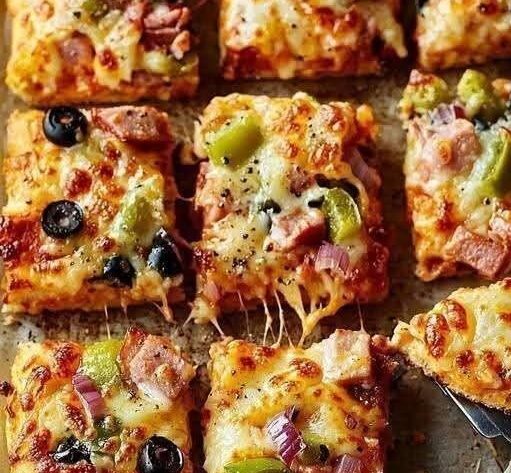
Ultimate High-Protein Low-Carb Sheet Pan Pizza – A Healthy Homemade Pizza Everyone Will Love
If you love pizza but want to follow a healthier lifestyle, this High-Protein Low-Carb Sheet Pan Pizza is the perfect recipe to add to your weekly meal plan. It delivers everything you enjoy about traditional pizza—a delicious golden crust, rich tomato flavor, melted mozzarella cheese, and your favorite toppings—while using wholesome ingredients that better support your nutrition goals. Instead of relying on refined wheat flour, this recipe features almond flour and psyllium husk powder to create a satisfying crust that is lower in carbohydrates and naturally gluten-free.
This homemade sheet pan pizza is an excellent choice for people looking for a healthy pizza recipe, low-carb dinner, high-protein meal, or a diabetic-friendly pizza alternative. It offers a comforting meal without the excessive carbohydrates found in conventional pizza dough. Whether you’re preparing dinner for your family, meal prepping for the week, or simply craving homemade pizza without compromising your goals, this recipe is both practical and satisfying.
One of the greatest benefits of making pizza at home is having complete control over every ingredient. You decide how much cheese to use, which vegetables to include, the quality of your tomato sauce, and even the seasoning blend. This flexibility allows you to customize every pizza according to your preferences while avoiding unnecessary sugars, preservatives, and highly processed ingredients often found in restaurant or frozen pizzas.
The sheet pan method also makes this recipe incredibly convenient. Instead of shaping multiple individual pizzas, the dough is pressed into a baking tray, creating a large pizza that bakes evenly and slices beautifully. It’s ideal for family dinners, casual gatherings, weekend lunches, or preparing several servings at once.
Unlike many specialty low-carb pizza recipes that require complicated ingredients, this version keeps everything simple and accessible. Almond flour provides a rich, slightly nutty flavor while contributing healthy fats and protein. Psyllium husk powder helps improve the structure of the dough, giving it a more bread-like texture without traditional flour. Together they produce a crust that holds toppings well and develops a pleasant golden finish after baking.
Another advantage is the balance of nutrition. Almond flour naturally contains vitamin E, magnesium, healthy monounsaturated fats, and dietary fiber. These nutrients help create a more satisfying meal that may keep you feeling fuller for longer. When combined with mozzarella cheese, tomato sauce, and nutritious vegetable toppings, every slice offers a delicious combination of protein, healthy fats, fiber, and vibrant flavors.
For anyone following a lower-carbohydrate eating plan, finding satisfying comfort foods can sometimes be challenging. Pizza often feels like an indulgence that must be avoided, but this recipe proves that healthier substitutions can produce excellent results without sacrificing enjoyment. Every bite offers familiar pizza flavors while fitting much better into balanced eating habits.
The yeast used in the dough still provides the classic aroma associated with freshly baked pizza. After dissolving in warm water, the yeast becomes active and creates subtle air pockets within the dough, helping improve both flavor and texture. Although almond flour behaves differently than wheat flour, the addition of psyllium husk powder creates elasticity and improves the overall consistency, making the finished crust pleasantly chewy rather than crumbly.
Olive oil plays an important role as well. Besides adding moisture to the dough, it contributes heart-healthy monounsaturated fats while helping develop a crisp exterior during baking. Even a small amount enhances both flavor and texture, making every slice more enjoyable.
Choosing a no-sugar-added tomato sauce keeps the carbohydrate content lower while allowing the natural tomato flavor to shine. Tomatoes provide antioxidants such as lycopene along with vitamins A and C, making them a flavorful and nutritious base for the pizza. You can further enhance the sauce with dried oregano, basil, garlic powder, onion powder, or Italian seasoning if desired, creating a richer homemade flavor without changing the recipe’s foundation.
Mozzarella cheese remains one of the most popular pizza cheeses because it melts beautifully and creates the irresistible stretchy texture everyone expects. It also contributes a generous amount of protein and calcium. Using freshly shredded mozzarella often produces better melting characteristics than pre-shredded cheese, although either option works well depending on convenience.
One of the best aspects of sheet pan pizza is its versatility. The optional toppings allow every member of the family to customize individual sections. Some may prefer classic pepperoni, while others enjoy colorful vegetables such as bell peppers, mushrooms, onions, spinach, tomatoes, or zucchini. Black olives provide a rich Mediterranean flavor, while fresh basil adds brightness just before serving.
Adding vegetables is an easy way to increase fiber, vitamins, and minerals while enhancing both color and texture. Fresh vegetables create visual appeal and make each slice feel lighter and more balanced. If using vegetables with higher moisture content, lightly sautéing them beforehand can help prevent excess water from softening the crust during baking.
Because this pizza is baked on a sheet pan, the crust develops a slightly crisp bottom while remaining tender inside. Pre-baking the dough before adding toppings is an important step because it helps set the crust, preventing it from becoming soggy once the sauce and cheese are added. This extra bake time results in a sturdier pizza that slices cleanly and holds together well.
Meal preparation becomes much easier with recipes like this. After baking, leftover slices can be refrigerated and reheated for quick lunches or busy weeknight dinners. Many people find that homemade pizza reheats surprisingly well in an oven, toaster oven, or air fryer, restoring much of the original crispness to the crust.
This recipe also works wonderfully for entertaining. A large sheet pan pizza provides generous servings without requiring individual pizza preparation. Guests can enjoy different topping combinations across one pan, making it easy to satisfy various tastes while minimizing cleanup.
Families with children often appreciate homemade pizza nights because everyone can participate in choosing toppings. Kids enjoy decorating their own section of the pizza, making dinner preparation a fun activity while encouraging them to eat more vegetables. Preparing meals together also creates memorable family experiences centered around fresh homemade food.
Another reason this recipe stands out is its adaptability to different lifestyles. Individuals following lower-carb meal plans, diabetic-friendly eating patterns, gluten-conscious diets, or simply healthier eating habits can all enjoy this pizza with confidence. The ingredients focus on wholesome nutrition while preserving the comforting flavors people associate with homemade pizza.
Texture is one of the biggest concerns when creating alternative pizza crusts, but combining almond flour with psyllium husk powder creates a surprisingly satisfying result. Psyllium absorbs moisture, helping bind the dough while improving flexibility. This allows the crust to support generous toppings without easily falling apart after baking.
Fresh herbs can elevate the finished pizza even further. Sprinkling chopped basil immediately before serving adds freshness, while a light dusting of dried oregano provides the classic aroma associated with authentic Italian-inspired pizza. Crushed red pepper flakes may be added by those who enjoy gentle heat, and freshly ground black pepper enhances overall flavor without overpowering the ingredients.
Portion control is another benefit of baking pizza in a rectangular sheet pan. The pizza can easily be divided into evenly sized squares, making serving simple and helping with meal planning. Whether you’re preparing lunch portions or family dinners, consistent slices make nutrition tracking much easier.
This recipe is suitable throughout the year. During summer, fresh garden vegetables can become colorful toppings, while cooler months call for comforting homemade meals shared around the dinner table. Because the ingredients are available year-round in most grocery stores, this pizza can become a dependable favorite regardless of the season.
The aroma filling your kitchen while this pizza bakes is enough to make everyone eager for dinner. The combination of bubbling mozzarella, roasted tomato sauce, warm olive oil, and freshly baked crust creates the familiar scent of classic homemade pizza while using more nutritious ingredients. That balance of comfort and wholesome cooking makes this recipe especially satisfying.
Whether you’re preparing a quick family meal, searching for healthier comfort food, exploring low-carb recipes, or simply looking for an easy homemade sheet pan dinner, this High-Protein Low-Carb Sheet Pan Pizza deserves a place in your recipe collection. It combines simple preparation, everyday ingredients, customizable toppings, balanced nutrition, and wonderful homemade flavor into one satisfying meal that can be enjoyed again and again.
With every slice, you’ll enjoy the familiar taste of pizza while embracing ingredients that better support your healthy lifestyle. It’s proof that nutritious cooking doesn’t require sacrificing flavor—instead, it simply calls for thoughtful ingredient choices and a little creativity in the kitchen.
Easy Oven-Baked Protein Sheet Pan Pizza (Low-Carb & Diabetic-Friendly)
Ingredients
For the Pizza Base
- 2¼ teaspoons active dry yeast
- 1 teaspoon salt
- 1 tablespoon extra virgin olive oil
- 1 cup warm water (about 105–110°F / 40–43°C)
- 2 cups almond flour (low-carb flour alternative)
- 2 tablespoons psyllium husk powder (helps bind and improve texture)
For the Pizza Topping
- ½ cup no-sugar-added tomato sauce
- 1½ cups shredded mozzarella cheese
- Optional toppings:
- Sliced pepperoni
- Bell peppers
- Mushrooms
- Red onion
- Black olives
- Spinach
- Fresh basil leaves
- Dried oregano or Italian seasoning (optional, for extra flavor)
Simple Instructions
Step 1: Activate the Yeast
In a small bowl, combine the warm water and active dry yeast. Let it stand for about 5 minutes, or until the mixture becomes foamy and bubbly.
Step 2: Prepare the Dough
In a large mixing bowl, stir together the almond flour, salt, and psyllium husk powder. Pour in the olive oil along with the activated yeast mixture. Mix well, then knead gently until a soft, uniform dough forms.
Step 3: Shape the Crust
Lightly grease a sheet pan or line it with parchment paper. Press the dough evenly across the pan, creating a smooth and even pizza crust.
Step 4: Pre-Bake
Bake the crust in a preheated oven at 190°C (375°F) for 10 minutes until it begins to set.
Step 5: Add the Toppings
Spread the no-sugar-added tomato sauce evenly over the crust. Sprinkle with shredded mozzarella cheese and finish with your preferred toppings, such as pepperoni, vegetables, olives, or fresh basil.
Step 6: Bake Until Golden
Return the pizza to the oven and bake for an additional 10–15 minutes, or until the cheese is fully melted, bubbly, and the crust turns lightly golden around the edges.
Step 7: Slice and Serve
Allow the pizza to cool for 3–5 minutes before slicing into squares. Serve warm and enjoy your homemade high-protein, low-carb sheet pan pizza.
Recipe Tips
- For a crispier crust, bake the pizza for an extra 2–3 minutes.
- Freshly shredded mozzarella melts more smoothly than pre-shredded cheese.
- Add fresh basil after baking for the best flavor and aroma.
- Store leftovers in an airtight container in the refrigerator for up to 3 days and reheat in the oven or air fryer.