 admin1
Creamy Buckwheat Porridge – A Healthy, Gluten-Free Breakfast
A Simple and Nourishing Buckwheat Porridge Recipe
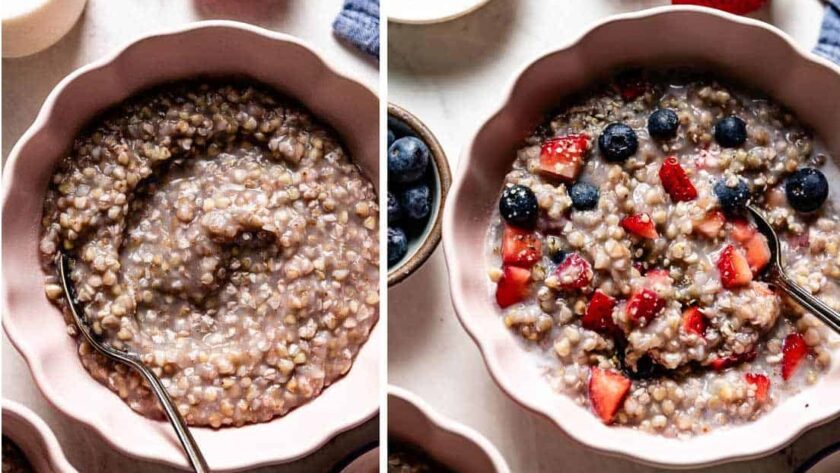
Buckwheat porridge is a warm, comforting, and nutritious breakfast that deserves a place alongside classic oatmeal recipes. Made with naturally gluten-free buckwheat groats, water, and a small amount of salt, this creamy porridge is easy to prepare and ready in about 20 minutes from start to finish. Despite its name, buckwheat is not actually a type of wheat, making it a popular choice for people looking for gluten-free breakfast ideas. Its mild, earthy flavor and satisfying texture make it versatile enough to serve sweet or savory. Whether you enjoy a warm bowl topped with fresh fruit and maple syrup or prefer a simple, wholesome grain side dish, this easy buckwheat porridge recipe can be adapted to suit many tastes. It is vegan, dairy-free, naturally nourishing, and made from simple pantry ingredients. With a short cooking time and plenty of topping possibilities, creamy buckwheat cereal is an excellent option for busy mornings when you want something more filling than a quick snack.
Why Buckwheat Porridge Is a Great Alternative to Oatmeal
Many people enjoy oatmeal as their regular morning meal, but buckwheat porridge offers a delicious alternative when you want to change your breakfast routine. Cooked buckwheat groats become soft and tender while still maintaining a pleasant texture. When simmered correctly, they absorb water and develop a creamy consistency that works beautifully with sweet toppings and warming spices. Unlike heavily processed breakfast foods, this recipe starts with simple whole buckwheat groats and allows you to control every addition. Cinnamon, maple syrup, chia seeds, hemp seeds, and fresh fruit can all be added according to personal preference. This flexibility makes homemade buckwheat breakfast bowls easy to customize for different family members. One person may prefer extra fruit, while another may enjoy a drizzle of maple syrup and crunchy seeds. Buckwheat porridge can also be kept simple when served as a savory accompaniment. Its versatility, quick preparation, and naturally gluten-free qualities make it an appealing choice for anyone searching for healthy breakfast recipes without relying on traditional oats.
What Are Buckwheat Groats?
Understanding the main ingredient helps create better results when making this easy buckwheat porridge. Buckwheat groats are the hulled seeds of the buckwheat plant. Although the word wheat appears in its name, buckwheat does not belong to the wheat family. This is why plain buckwheat groats are commonly used in gluten-free cooking. Raw groats usually have a pale greenish or light brown appearance and a relatively mild flavor. When cooked in water, they soften and become tender enough to enjoy as a warm breakfast cereal. Buckwheat has been used in many traditional dishes around the world, including porridges, grain bowls, pancakes, noodles, and side dishes. For this recipe, the groats are simmered gently until they become soft and creamy. Choosing good-quality plain buckwheat groats provides the best base for a simple breakfast bowl. Since the recipe contains only a few core ingredients, the natural flavor and texture of the buckwheat remain the focus, while optional additions can create a sweeter and more flavorful final dish.
Raw Buckwheat Groats and Kasha: Understanding the Difference
When shopping for buckwheat, you may notice packages labeled either buckwheat groats or kasha. While both come from buckwheat, there is an important difference in flavor and processing. Raw buckwheat groats are generally lighter in color and have a mild, slightly earthy taste. Kasha usually refers to roasted buckwheat, which tends to be darker and has a deeper, nuttier flavor. Both varieties can be cooked into a warm porridge, but they can produce slightly different results. Raw groats are particularly suitable when you want a neutral base for sweet breakfast toppings such as cinnamon, maple syrup, and fresh fruit. Roasted buckwheat can offer a stronger, toastier flavor that some people enjoy. If kasha is what you have available, it can still be used to make a comforting buckwheat breakfast. The important thing is to monitor the texture during cooking because different brands and varieties may absorb liquid differently. Whichever type you choose, gentle simmering and a short resting period help create a soft and enjoyable porridge.
The Secret to Making Buckwheat Porridge Creamy
A creamy texture is one of the most appealing features of a good bowl of homemade buckwheat porridge. The key is not complicated ingredients or special equipment. Instead, it comes from controlling the cooking process. After rinsing the groats, they are combined with water and salt and brought to a boil. Once boiling, the heat should be reduced so the mixture can simmer gently. Cooking at a low temperature allows the buckwheat to absorb moisture gradually without scorching on the bottom of the pan. Stirring occasionally also helps prevent sticking and encourages even cooking. After approximately ten minutes of simmering, turning off the heat and allowing the porridge to rest while covered makes a noticeable difference. During this resting time, the groats continue absorbing moisture and become softer. This simple combination of simmering and resting creates the creamy consistency that makes buckwheat porridge so satisfying. Paying attention during the final minutes is important because overcooking can quickly change the texture from pleasantly tender to excessively soft.
A Quick and Easy Breakfast Ready in 20 Minutes
One of the biggest advantages of this healthy breakfast porridge is how quickly it can be prepared. The total process takes approximately 20 minutes, including five minutes of preparation, ten minutes of cooking, and five minutes of resting. This makes it practical for weekday mornings when time is limited but you still want a warm homemade meal. The preparation is straightforward: rinse the buckwheat, place it in a saucepan with water and salt, and allow it to cook. While the porridge simmers, you can prepare fresh fruit or gather optional toppings. There is no complicated blending, baking, or lengthy preparation involved. The final resting period also gives you a few minutes to set the table or prepare another part of breakfast. Because the basic recipe is simple, it is easy to remember without constantly checking instructions. A warm bowl of creamy buckwheat can be prepared with minimal effort while still offering a satisfying and substantial breakfast option. This combination of speed and simplicity makes it an excellent recipe for beginners and experienced home cooks alike.
How to Add More Flavor to Buckwheat Breakfast Porridge
The basic version of this porridge has a simple and mild flavor, which makes it an excellent foundation for optional additions. Cinnamon is a natural choice because its warm aroma complements the earthy taste of cooked buckwheat. A small amount of maple syrup can add gentle sweetness, and extra syrup may be drizzled over the finished bowl if desired. Chia seeds and hemp seeds can be stirred into the porridge for additional texture. Fresh fruit is another easy way to brighten the bowl and create a more colorful breakfast. Depending on the season and personal preference, different fruits can be used as a topping. A splash of milk can also be added before serving for those who enjoy a looser and creamier consistency. Because the optional ingredients are added after cooking, you have complete control over the final flavor. This makes the recipe useful for households where everyone has different preferences. Start with the plain cooked buckwheat, then customize each serving individually to create a breakfast bowl that feels fresh and satisfying.
Buckwheat Porridge as a Vegan and Dairy-Free Breakfast
Finding a warm breakfast that suits different dietary preferences can sometimes be challenging, but this buckwheat porridge naturally fits several common eating styles. The main recipe uses buckwheat groats, water, and salt, making it completely plant-based without requiring substitutions. There is no butter, cream, or dairy needed to achieve a comforting texture. Optional additions such as maple syrup, cinnamon, chia seeds, hemp seeds, and fresh fruit can also keep the recipe suitable for a vegan breakfast. If you prefer adding milk before serving, a plant-based alternative can be used to maintain the dairy-free nature of the dish. The simplicity of the ingredient list also makes it easier to understand exactly what is going into your meal. For anyone searching for vegan breakfast recipes, dairy-free porridge ideas, or naturally gluten-free morning meals, cooked buckwheat provides a versatile option. It can be prepared plain for a simple meal or dressed up with colorful toppings for a more substantial breakfast experience.
How to Make Buckwheat Porridge with the Best Texture
Texture preferences can vary greatly, which is one reason this recipe benefits from careful attention while cooking. A ten-minute simmer after reaching the boiling point produces a creamy and tender result. However, the exact texture can vary slightly depending on the type of buckwheat, the saucepan, and the intensity of the heat. Keep the heat low once the water begins boiling rather than allowing the mixture to cook aggressively. Check the porridge occasionally and stir gently to make sure nothing sticks to the bottom. If you prefer buckwheat with more bite, monitor it closely toward the end of the cooking time. If you enjoy a softer texture, the covered resting period will help the groats become even more tender. Avoid walking away and forgetting the pan, especially near the end of cooking, because buckwheat can change texture quickly once it has absorbed most of the liquid. Learning how the groats behave in your own kitchen will help you consistently achieve your preferred consistency.
Fresh Fruit Toppings for a Better Breakfast Bowl
Fresh fruit can transform a simple bowl of cooked buckwheat into a colorful and inviting breakfast. The naturally mild flavor of the porridge works well with a wide variety of fruit toppings. Adding fruit also creates contrast between the warm, soft buckwheat and the fresh texture of the topping. You can choose fruit based on the season, what is available in your kitchen, or your personal preferences. The fruit can be arranged directly over the porridge just before serving, allowing each bowl to look different and appealing. Combined with a sprinkle of cinnamon or a drizzle of maple syrup, fresh fruit helps create a naturally sweet breakfast experience without changing the basic cooking method. This approach also makes the recipe feel less repetitive when enjoyed regularly. Simply changing the toppings can give the same basic buckwheat porridge a completely different character. For meal variety, keeping a selection of toppings available allows everyone to build a personalized breakfast bowl without additional cooking.
Using Chia Seeds and Hemp Seeds as Optional Additions
Seeds are an easy optional addition for people who enjoy extra texture in breakfast recipes. This buckwheat porridge includes chia seeds and hemp seeds as optional ingredients, allowing you to decide whether to include one, both, or neither. Chia seeds have a subtle flavor and can absorb moisture, while hemp seeds offer a softer texture and mild nutty taste. Stirring them into the warm porridge distributes them evenly throughout the bowl. They can also be used as part of the finishing touches along with fresh fruit and maple syrup. Because these additions are optional, the original recipe remains wonderfully simple for those who prefer a classic bowl of cooked buckwheat. Adding seeds is a convenient way to create variation without changing the main preparation process. If you make this recipe often, experimenting with the optional toppings can help you discover your favorite combination. The best breakfast recipes are often the ones that can be easily adapted without making the cooking process complicated.
Can You Make Overnight Buckwheat Porridge?
Overnight buckwheat is another convenient approach for busy mornings. Soaking the buckwheat in advance can reduce the amount of active cooking required the next day. A simple method is to combine one part buckwheat with three parts liquid, using water or milk, in an airtight container. The mixture can then be stored in the refrigerator overnight. By morning, transfer it to a saucepan and warm it gently until it reaches the thickness you prefer. This generally requires only a few minutes of heating rather than a full cooking process from dry groats. Once warm, the porridge can be served with the same optional ingredients used in the standard version, including cinnamon, maple syrup, seeds, and fresh fruit. Overnight preparation can be particularly useful when mornings are hectic and you want to shorten your breakfast routine. It also provides another way to enjoy the same wholesome ingredient while changing the preparation style to suit your schedule.
Can Buckwheat Porridge Be Served Savory?
Although sweet toppings are popular, buckwheat porridge does not have to be limited to sweet breakfasts. The basic recipe contains only buckwheat groats, water, and salt, which gives it a neutral enough flavor to work as a savory side dish. This flexibility makes cooked buckwheat useful beyond the breakfast table. You can prepare the porridge without maple syrup or cinnamon and enjoy it as part of another meal. The creamy consistency can make it a comforting accompaniment when you want something warm and simple. If serving it savory, keep the optional sweet ingredients separate and focus on the naturally mild flavor of the cooked groats. This dual-purpose quality is one of the reasons buckwheat is worth keeping in the pantry. A single ingredient can become a warm breakfast bowl in the morning or a simple side dish later in the day. Having flexible staples like this can make meal planning easier while reducing the need for complicated recipes.
Common Mistakes to Avoid When Cooking Buckwheat
The biggest mistakes when preparing buckwheat porridge usually involve heat and timing. Cooking at too high a temperature can cause the mixture to stick or cook unevenly, while failing to stir occasionally may allow the bottom to scorch. Another common issue is continuing to cook the porridge for too long. Buckwheat can move from tender and creamy to overly soft relatively quickly after reaching the desired point. For this reason, it is helpful to stay nearby during the cooking process, especially toward the end of the ten-minute simmer. Skipping the resting stage can also affect the final consistency because the groats benefit from sitting covered after the heat is turned off. Rinsing the buckwheat before cooking is another worthwhile step, as it freshens the groats before they enter the saucepan. Finally, avoid adding every optional topping automatically. Start with the basic recipe and adjust sweetness and texture according to your preferences. Simple attention to these details can produce consistently delicious results.
How to Store Leftover Buckwheat Porridge
Freshly prepared buckwheat porridge has the best texture when served soon after cooking, but leftovers can still be stored for later use. Allow the porridge to cool before transferring it to an airtight container and placing it in the refrigerator. Properly stored leftovers can be kept for up to three days. Because cooked buckwheat continues to absorb moisture as it sits, refrigerated porridge may become thicker than it was when freshly made. This is completely normal and can be corrected during reheating. Storing leftovers is useful if you are preparing breakfast for fewer people or want to have a ready-made option available for another morning. It can also make the recipe more convenient for meal planning because the basic porridge can be cooked once and enjoyed again later. For the best experience, store the plain porridge separately when possible and add fresh fruit and other toppings when you are ready to eat rather than storing everything together.
The Best Way to Reheat Buckwheat Porridge
Reheating leftover buckwheat porridge is simple and does not require any special equipment. Place the desired amount in a small saucepan and add a splash of water or milk to loosen the consistency. Warm it gently over low to medium heat while stirring occasionally. The additional liquid helps restore some of the creaminess that may be lost after refrigeration. Continue heating only until the porridge is warmed through and reaches your preferred thickness. Once hot, transfer it to a bowl and add fresh toppings such as fruit, cinnamon, maple syrup, chia seeds, or hemp seeds. Reheating on the stovetop allows you to control the texture more easily than simply heating a thick portion without extra liquid. Avoid overheating because excessive cooking can make the buckwheat softer than desired. With a small splash of liquid and gentle heat, leftover porridge can become a convenient and satisfying breakfast without requiring you to start the recipe from scratch.
Notes for Making the Best Creamy Buckwheat Porridge
For consistently good results, remember a few important details while preparing this recipe. One cup of dry buckwheat groats produces approximately four cups of cooked porridge, making the recipe suitable for four servings. The cooking time begins after the mixture reaches a boil, so reduce the heat and begin counting the simmering time at that stage. Keep the lid on during the low simmer and again during the five-minute resting period to help retain heat and moisture. Stir occasionally during cooking, particularly if your saucepan tends to hold heat strongly. The optional ingredients are flexible, so adjust them according to taste rather than feeling required to use every one. Raw buckwheat groats and roasted kasha can both be used, although their flavors will differ. If preparing the recipe in advance, remember that leftover porridge thickens in the refrigerator and benefits from a splash of water or milk when reheated. These simple notes can help you make this easy gluten-free breakfast successfully every time.
Frequently Asked Questions About Buckwheat Porridge
Is buckwheat naturally gluten-free? Plain buckwheat is naturally gluten-free because it is not a true wheat grain. However, people with strict gluten-free requirements should check packaging for possible cross-contact information.
How long does buckwheat porridge take to cook? The active cooking stage takes approximately ten minutes after the mixture reaches a boil, followed by five minutes of resting with the lid on.
Can I use kasha instead of raw buckwheat groats? Yes. Kasha is roasted buckwheat and can be used, although it has a darker appearance and a more pronounced nutty flavor.
Why is my buckwheat porridge too thick? Cooked buckwheat naturally absorbs liquid, especially after sitting. Stir in a splash of water or milk to loosen the consistency.
Can I prepare buckwheat porridge ahead of time? Yes. Leftovers can be refrigerated in an airtight container for up to three days and gently reheated with additional liquid.
What can I put on top of buckwheat porridge? Cinnamon, maple syrup, chia seeds, hemp seeds, fresh fruit, and a splash of milk are all suitable options included with this recipe.
A Wholesome Breakfast Worth Adding to Your Routine
This creamy buckwheat porridge recipe proves that a satisfying homemade breakfast does not need a long ingredient list or complicated preparation. With buckwheat groats, water, and salt as the foundation, you can create a warm and comforting meal in less than 20 minutes. Optional ingredients allow the recipe to be adapted into a sweeter breakfast bowl with cinnamon, maple syrup, seeds, and fresh fruit, while the plain version can also be served as a simple side dish. Its vegan, dairy-free, and naturally gluten-free qualities make it suitable for many different eating preferences. The ability to prepare it fresh, make an overnight version, or store leftovers for later adds even more convenience. Whether you are searching for a healthy oatmeal alternative, an easy gluten-free breakfast, or simply a new way to enjoy whole foods, creamy buckwheat porridge is a practical and delicious recipe to add to your regular meal rotation.
Structured Recipe Card
Creamy Buckwheat Porridge
Description:
A warm, creamy, and comforting buckwheat porridge made with simple ingredients and ready in just 20 minutes. This naturally gluten-free, vegan, and dairy-free breakfast can be enjoyed plain or customized with cinnamon, maple syrup, chia seeds, hemp seeds, and fresh fruit.
Preparation & Cooking Duration:
- Preparation Time: 5 minutes
- Cooking Time: 10 minutes
- Resting Time: 5 minutes
- Total Time: 20 minutes
Serving:
4 servings
Ingredients
For the Basic Buckwheat Porridge:
- 1 cup buckwheat groats (170 g)
- 3 cups water
- ¼ teaspoon kosher salt
Optional Add-Ins and Toppings:
- ½ teaspoon cinnamon
- 1 tablespoon maple syrup, plus extra for drizzling if desired
- 1 tablespoon chia seeds (optional)
- 1 tablespoon hemp seeds (optional)
- Fresh fruit, for topping
Step-by-Step Instructions
Step 1: Rinse the Buckwheat
Place the buckwheat groats into a fine-mesh strainer. Rinse thoroughly under cold running water, then allow any excess water to drain.
Step 2: Combine the Main Ingredients
Transfer the rinsed buckwheat groats to a medium saucepan. Add the water and kosher salt.
Step 3: Bring to a Boil
Place the saucepan over medium-high heat and bring the mixture to a boil.
Step 4: Simmer Gently
Once boiling, reduce the heat to low and cover the saucepan. Allow the buckwheat to simmer for 10 minutes. Stir occasionally and monitor the pan to prevent sticking.
Step 5: Rest the Porridge
Turn off the heat after the cooking time is complete. Keep the lid on and let the porridge rest for 5 minutes.
Step 6: Add Optional Ingredients
If desired, stir cinnamon, maple syrup, chia seeds, and hemp seeds into the warm buckwheat porridge.
Step 7: Serve and Enjoy
Divide the creamy buckwheat porridge between serving bowls. Add a splash of milk if preferred, then finish with fresh fruit and an additional drizzle of maple syrup.
Notes
- One cup of uncooked buckwheat groats yields approximately four cups of cooked porridge.
- The nutritional values are calculated per serving and do not include optional add-ins.
- Raw buckwheat groats create a mild flavor, while roasted buckwheat, commonly called kasha, has a deeper and nuttier taste.
- For overnight preparation, combine one part buckwheat with three parts water or milk and refrigerate overnight. Warm in a saucepan the next morning for approximately 4 to 5 minutes or until the desired consistency is reached.
- Keep the heat low during cooking and watch carefully toward the end, as buckwheat can become overcooked quickly.
- For best texture, enjoy the porridge on the day it is prepared.
- Leftovers can be stored in an airtight container in the refrigerator for up to 3 days.
- Reheat leftovers gently in a saucepan with a splash of water or milk until warmed through.
Nutritional Information
Per Serving (Approximate, without optional add-ins):
- Calories: 146 kcal
- Carbohydrates: 30 g
- Protein: 6 g
- Fat: 1 g
- Saturated Fat: 0.3 g
- Polyunsaturated Fat: 0.4 g
- Monounsaturated Fat: 0.4 g
- Sodium: 155 mg
- Potassium: 196 mg
- Fiber: 4 g
- Calcium: 13 mg
- Iron: 1 mg
Nutritional values are approximate and may vary depending on the specific ingredients and serving sizes used.