 admin1
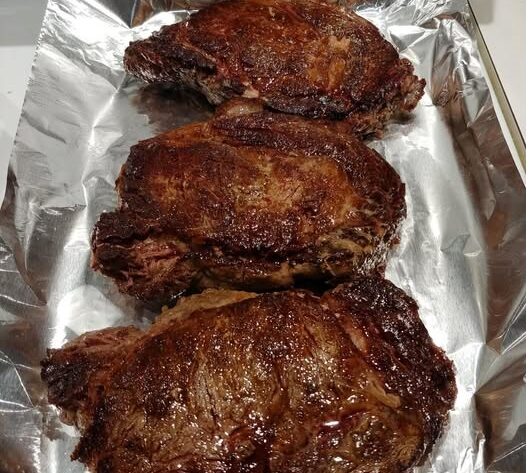
Garlic Herb Ribeye Steak: The Ultimate Guide to a Perfectly Seared Beef Steak
There is something incredibly satisfying about a perfectly cooked ribeye steak. Known for its rich marbling, tender texture, and deep beefy flavor, ribeye is often considered one of the finest cuts of steak available. Whether you are preparing a special weekend dinner, a family gathering meal, or simply craving a restaurant-quality steak at home, this garlic herb ribeye steak recipe delivers outstanding results with minimal ingredients and maximum flavor.
The beauty of ribeye steak lies in its natural fat content. Unlike leaner cuts, ribeye contains beautiful streaks of marbling that slowly melt during cooking, keeping the meat moist, juicy, and incredibly flavorful. When combined with olive oil and simple seasonings such as garlic powder and onion powder, the steak develops a delicious crust while maintaining a tender center.
One of the biggest advantages of cooking ribeye steak at home is the ability to control the final temperature. Whether you prefer your steak rare, medium-rare, medium, or well-done, preparing it yourself ensures that every bite matches your personal preference. Many steak lovers agree that medium-rare is the ideal doneness because it preserves the steak’s natural juices and tenderness while allowing the rich beef flavor to shine.
Before cooking, it is important to bring the ribeye steaks to room temperature. Allowing the steaks to rest outside the refrigerator for approximately 30 minutes helps them cook more evenly. Cold steaks placed directly into a hot pan often cook unevenly, resulting in an overcooked exterior and undercooked center.
Olive oil plays a significant role in this recipe. Not only does it help the seasonings adhere to the surface of the meat, but it also assists in developing a flavorful golden-brown crust. A high-quality extra virgin olive oil can add subtle richness that complements the natural taste of the beef without overpowering it.
Garlic powder is one of the most popular steak seasonings because it provides a deep savory flavor that blends beautifully with beef. Unlike fresh garlic, garlic powder distributes evenly across the steak surface, ensuring consistent seasoning in every bite. As the steak cooks, the garlic flavor intensifies and contributes to the delicious aroma that fills the kitchen.
Onion powder adds another layer of flavor complexity. It offers mild sweetness and savory depth that enhances the overall seasoning profile. Together, garlic powder and onion powder create a balanced combination that elevates the steak while allowing the natural ribeye flavor to remain the star of the dish.
A successful steak recipe depends heavily on proper seasoning techniques. The seasonings should be applied generously and evenly to both sides of the steak. Pressing the spices gently into the meat helps them adhere better during cooking and encourages the formation of a flavorful crust.
Cooking temperature is equally important. A heavy cast-iron skillet is often considered the best tool for preparing ribeye steak because it retains heat exceptionally well. When the skillet becomes thoroughly hot, it creates an immediate sear that locks in juices and forms the sought-after caramelized exterior. The sizzling sound when the steak hits the pan is an indication that the searing process has begun correctly.
The Maillard reaction is responsible for creating the delicious brown crust on steak. This natural chemical process occurs when proteins and sugars in the meat react to high heat, producing hundreds of flavor compounds. The result is a rich, savory exterior that contrasts beautifully with the juicy interior.
When searing ribeye steak, it is important not to move the meat too frequently. Allowing the steak to remain undisturbed during cooking helps develop a uniform crust. Constant flipping or pressing can release valuable juices and interfere with proper browning.
Many steak enthusiasts recommend using a meat thermometer for accuracy. While cooking times vary depending on thickness, a thermometer eliminates guesswork and helps achieve the desired doneness. Medium-rare steak typically reaches an internal temperature of approximately 130°F to 135°F before resting.
Resting the steak after cooking is one of the most overlooked yet essential steps. During cooking, the juices inside the meat move toward the center. Allowing the steak to rest for several minutes enables those juices to redistribute evenly throughout the meat. Cutting into the steak immediately after cooking can result in significant moisture loss and a less juicy final product.
The texture of ribeye steak is one of its defining characteristics. Thanks to its marbling, every bite delivers a tender, buttery mouthfeel that steak lovers appreciate. The rendered fat contributes not only to flavor but also to the luxurious texture that distinguishes ribeye from many other beef cuts.
This steak pairs exceptionally well with a variety of side dishes. Creamy mashed potatoes, roasted vegetables, grilled asparagus, garlic green beans, baked potatoes, sautéed mushrooms, and fresh garden salads all complement the rich flavor of ribeye. These side dishes help create a complete and satisfying meal suitable for any occasion.
For those seeking a gourmet presentation, slicing the steak against the grain before serving can enhance tenderness and create an attractive visual appeal. A simple garnish of fresh herbs can elevate the presentation further while adding subtle freshness to the plate.
One reason this ribeye steak recipe remains popular is its versatility. It can be cooked in a cast-iron skillet, grilled outdoors, broiled in the oven, or finished using a reverse-sear technique. Regardless of the cooking method chosen, the simple seasoning blend allows the premium quality of the beef to take center stage.
High-quality ribeye steaks are often sourced from well-marbled beef, which contributes significantly to flavor and tenderness. When shopping for ribeye, look for steaks with consistent marbling throughout the meat. These white streaks of fat melt during cooking and create the juicy texture that makes ribeye so desirable.
Home cooks often assume that restaurant-quality steak requires complicated techniques or expensive equipment. In reality, excellent results can be achieved with a few quality ingredients, proper heat management, and attention to timing. This straightforward recipe demonstrates that simplicity often produces the most impressive flavors.
The aroma produced while cooking ribeye steak is another reason for its popularity. As the olive oil, garlic powder, and onion powder interact with the hot surface of the skillet, they create an irresistible fragrance that signals a delicious meal is on the way.
Whether served for a weeknight dinner or a celebratory occasion, ribeye steak consistently delivers a premium dining experience. The combination of juicy beef, flavorful seasoning, and beautifully caramelized crust creates a meal that feels indulgent while remaining remarkably easy to prepare.
For steak lovers seeking a dependable recipe, this garlic herb ribeye steak offers everything desired in a classic beef entrée. It is rich, flavorful, tender, and satisfying. With proper preparation and cooking techniques, anyone can create a steakhouse-quality meal in their own kitchen and enjoy one of the most beloved cuts of beef at its absolute best.
Simple Garlic Ribeye Steak Recipe
Preparation Time
- Prep Time: 5 minutes
- Resting Time: 30 minutes
- Cook Time: 8–12 minutes
- Total Time: About 45 minutes
Ingredients
- 2 ribeye steaks
- 2 tablespoons olive oil
- 1 teaspoon garlic powder
- 1 teaspoon onion powder
Directions
- Remove the ribeye steaks from the refrigerator and allow them to sit at room temperature for about 30 minutes.
- Pat the steaks dry with paper towels.
- Rub both sides of the steaks with olive oil.
- Season evenly with garlic powder and onion powder.
- Heat a cast-iron skillet or heavy pan over medium-high heat until very hot.
- Place the steaks in the skillet and cook for 3–5 minutes per side, depending on thickness and desired doneness.
- Remove the steaks from the pan and let them rest for 5–10 minutes.
- Serve immediately with your favorite side dishes.
Serving Suggestions
- Garlic mashed potatoes
- Roasted vegetables
- Grilled asparagus
- Fresh green salad
- Baked potatoes
Recipe Yield
Serves 2