 admin1
Classic Scottish Creamy Porridge – A Warm, Nutritious Breakfast to Start Your Day
The Complete Guide to Making Traditional Scottish Porridge
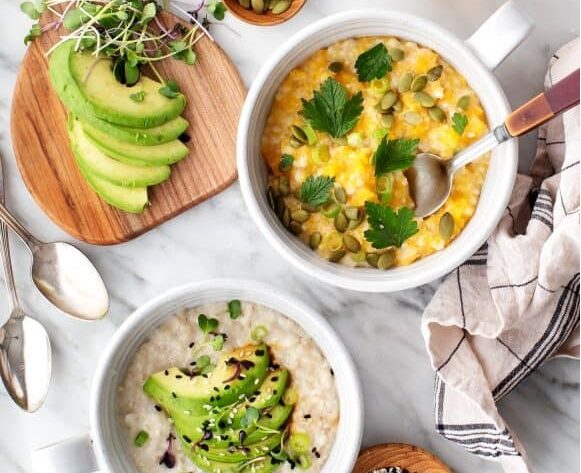
There are few breakfasts that can match the warmth, comfort, and nourishment of a freshly prepared bowl of creamy Scottish porridge. For generations, this humble dish has been a favorite morning meal because it is affordable, satisfying, and incredibly easy to prepare. Made with simple pantry staples like rolled oats, milk, and a pinch of salt, porridge transforms everyday ingredients into a rich and comforting breakfast that fuels your body for hours.
Unlike sugary breakfast cereals that often leave you feeling hungry shortly after eating, homemade porridge delivers a slow and steady source of energy. Its naturally creamy texture and mild flavor make it a perfect base for countless toppings, allowing everyone to customize each bowl according to personal preference. Whether you enjoy it with fresh berries, sliced bananas, maple syrup, brown sugar, honey, chopped nuts, or even a drizzle of cream, porridge offers endless possibilities while remaining one of the healthiest breakfasts available.
Scottish porridge has a rich culinary history that stretches back hundreds of years. Traditionally prepared using oats grown throughout Scotland, it became an everyday staple thanks to the country’s cool climate, where oats thrive better than many other grains. Over time, this nourishing meal earned a reputation as one of the most dependable breakfasts for farmers, workers, athletes, and families because it provided lasting energy throughout long, active days.
Today, porridge remains just as popular around the world. Modern cooks appreciate its versatility, quick preparation, and impressive nutritional value. Whether you’re preparing breakfast before work, feeding children before school, or simply looking for a wholesome meal that tastes comforting, Scottish-style porridge is always a wonderful choice.
Why You’ll Love This Homemade Scottish Porridge
One of the greatest advantages of this recipe is its simplicity. You only need a handful of ingredients, most of which are already found in many kitchens. Despite requiring very little effort, the finished dish feels rich, creamy, and incredibly satisfying.
Another reason this recipe stands out is its flexibility. Some people prefer a thinner consistency that can easily be poured into a bowl, while others enjoy a thick, hearty porridge that almost resembles a creamy pudding. Fortunately, adjusting the consistency is as easy as changing the amount of liquid used during cooking.
The recipe also adapts beautifully to different tastes. If you enjoy sweeter breakfasts, you can finish your porridge with maple syrup, honey, or brown sugar. Fresh fruits, dried fruits, chopped nuts, seeds, cinnamon, or vanilla can also be added without changing the basic recipe. On the other hand, those who enjoy savory breakfasts can simply omit the sweeteners and pair the porridge with herbs, cheese, or even a soft-boiled egg.
Since porridge is naturally filling, it’s also an excellent breakfast for busy mornings when you want sustained energy without frequent snacking before lunchtime.
Understanding the Main Ingredients
Although this recipe is wonderfully simple, each ingredient plays an important role in creating the perfect bowl.
Rolled Oats
Rolled oats are the heart of traditional porridge. They cook relatively quickly while producing a creamy texture that isn’t overly mushy. Because the oats absorb the liquid gradually, they become soft while still maintaining a pleasant bite.
Rolled oats are also naturally rich in dietary fiber, plant protein, vitamins, minerals, and antioxidants, making them one of the healthiest grains you can include in your daily diet.
Whole Milk
Whole milk gives porridge its rich, creamy consistency and mild sweetness. As it gently simmers with the oats, the starches combine with the milk proteins to create a smooth texture that feels luxurious without requiring additional cream.
If preferred, lower-fat milk can be substituted to reduce calories while still producing delicious results.
Salt
Although only a small pinch is used, salt plays an essential role in balancing the flavor. Rather than making the porridge salty, it enhances the natural sweetness of the oats and creates a more rounded, satisfying taste.
Natural Sweeteners
Maple syrup, brown sugar, or honey each provide their own unique flavor profile.
Maple syrup offers gentle caramel notes, brown sugar contributes a rich molasses flavor, while honey provides floral sweetness that complements oats beautifully.
Porridge vs. Oatmeal – What’s the Difference?
Many people use the terms porridge and oatmeal interchangeably, but there is actually a subtle difference.
Porridge refers to any grain, cereal, or even certain legumes that are cooked slowly with liquid until thick and creamy. Rice porridge, corn porridge, barley porridge, millet porridge, and wheat porridge are all examples of true porridge.
Oatmeal, however, specifically refers to porridge made using oats.
Because oats are by far the most popular grain for breakfast porridge, the two names have become almost synonymous in many countries. Nevertheless, Scottish porridge remains one of the most famous versions thanks to its traditional preparation and wonderfully creamy texture.
Health Benefits of Scottish Porridge
Porridge isn’t just comforting—it also provides an impressive range of nutrients that support a healthy lifestyle.
Oats contain soluble fiber, particularly beta-glucan, which contributes to feelings of fullness and supports healthy cholesterol levels as part of an overall balanced diet. Because oats digest gradually, they provide long-lasting energy instead of the rapid spikes associated with highly processed breakfast foods.
This makes porridge especially popular among athletes, students, busy professionals, and anyone looking for sustained morning energy.
Oats also provide important nutrients including manganese, phosphorus, magnesium, iron, zinc, copper, and several B vitamins that support normal metabolism and overall well-being.
Protein, fiber, and complex carbohydrates work together to create a balanced breakfast that satisfies hunger while providing slow-release energy throughout the morning.
Since the recipe uses milk, it also supplies calcium, vitamin B12, and protein, making it an even more nourishing meal.
The Secret to Perfect Creamy Porridge
Creating exceptional porridge isn’t difficult, but a few simple techniques make a noticeable difference.
Always begin with quality rolled oats, as they provide the ideal balance between cooking time and texture.
Cooking over moderate heat allows the oats to soften gradually while preventing the milk from scorching.
Constant stirring during cooking encourages the starches to release evenly, producing a silky consistency instead of a lumpy mixture.
After cooking, allowing the porridge to rest for one or two minutes helps it thicken naturally while becoming even creamier.
These small details transform ordinary oats into a luxurious breakfast that’s smooth, rich, and deeply comforting.
Delicious Topping Ideas
One of the reasons porridge remains so popular is the endless variety of toppings that can be added.
Fresh berries provide natural sweetness and vibrant color.
Sliced bananas create extra creaminess while adding potassium.
Chopped apples paired with cinnamon produce classic autumn flavors.
Blueberries, raspberries, strawberries, peaches, pears, figs, or mango all complement oats beautifully.
Crunchy toppings such as walnuts, pecans, almonds, hazelnuts, pumpkin seeds, sunflower seeds, flaxseed, or chia seeds add texture and additional nutrition.
For extra indulgence, a spoonful of Greek yogurt, peanut butter, almond butter, whipped cream, or a drizzle of maple syrup creates a café-style breakfast at home.
Warm spices including cinnamon, nutmeg, ginger, and cardamom also elevate the flavor without adding significant calories.
Helpful Tips for Success
The traditional Scottish ratio is approximately one part oats to three parts liquid, creating a creamy consistency that many people love.
If your porridge becomes too thick, simply stir in a little extra warm milk or water until it reaches your preferred texture.
If it appears too thin while cooking, continue simmering for another minute or two, allowing additional liquid to evaporate naturally.
Avoid cooking over very high heat because milk can quickly stick to the bottom of the saucepan.
Stir regularly throughout cooking to achieve the smoothest possible texture.
Storage and Reheating
Leftover porridge stores surprisingly well.
Allow it to cool slightly before transferring it into an airtight container. Refrigerate for up to two days.
When reheating, add a splash of milk or water since refrigerated oats naturally continue absorbing moisture. Warm gently on the stovetop or in the microwave while stirring occasionally until smooth and creamy again.
Frequently Asked Questions
Can I make porridge ahead of time?
Yes. Prepare it the night before, refrigerate it, and simply reheat with a little extra milk the next morning.
Can I use water instead of milk?
Absolutely. Water creates a lighter version, while milk provides a richer and creamier texture.
Is porridge suitable for children?
Yes. Its soft texture and wholesome ingredients make it a family-friendly breakfast enjoyed by both children and adults.
Can I customize the sweetness?
Certainly. Start with a small amount of honey, maple syrup, or brown sugar, then adjust according to your taste.
Classic Scottish Creamy Porridge Recipe Card
Creamy Scottish Breakfast Porridge
Prep Time: 5 minutes
Cook Time: 15 minutes
Total Time: 20 minutes
Difficulty: Easy
Servings: 2
Ingredients
- 1 cup rolled oats
- 3 cups whole milk
- 1 pinch salt
- 2 to 3 tablespoons maple syrup, brown sugar, or honey (adjust to taste)
Optional Toppings
- Fresh berries
- Sliced banana
- Chopped apple
- Toasted nuts
- Pumpkin or sunflower seeds
- Ground cinnamon
- Raisins or dried cranberries
- Greek yogurt
- Extra drizzle of maple syrup or honey
Directions
Step 1 – Prepare the Base
Place the rolled oats into a small saucepan and pour in the whole milk. Add a pinch of salt and stir to combine.
Step 2 – Cook the Porridge
Set the saucepan over medium heat and slowly bring the mixture to a gentle simmer. Stir frequently to prevent the oats from sticking to the bottom and to encourage a smooth, creamy texture.
Step 3 – Simmer Until Creamy
Reduce the heat to low and continue cooking for 10 to 15 minutes, stirring often, until the oats are tender and the porridge reaches your preferred consistency.
Step 4 – Rest Briefly
Remove the saucepan from the heat and allow the porridge to rest for 1 to 2 minutes. This short resting time helps the mixture thicken naturally.
Step 5 – Sweeten and Serve
Divide the warm porridge between serving bowls. Sweeten with maple syrup, brown sugar, or honey, then finish with your favorite toppings before serving immediately.
Helpful Recipe Tips
- For a thinner consistency, stir in a little extra warm milk or water before serving.
- If you enjoy thicker porridge, allow it to simmer for a few extra minutes.
- Stir regularly throughout cooking for the smoothest and creamiest texture.
- Whole milk creates the richest flavor, while skim milk can be used for a lighter version.
- Add sweeteners after cooking so you can easily adjust the flavor.
Easy Variations
Fruit & Berry Porridge
Top with fresh strawberries, blueberries, raspberries, or sliced bananas.
Apple Cinnamon Version
Mix in diced apples and a sprinkle of ground cinnamon for a cozy breakfast.
Nut Lover’s Bowl
Add chopped almonds, walnuts, pecans, or hazelnuts for extra crunch.
Protein Boost
Serve with a spoonful of Greek yogurt or a sprinkle of chia or flax seeds.
Naturally Sweet
Use honey or pure maple syrup along with fresh fruit for natural sweetness.
Storage
Allow the porridge to cool before transferring it to an airtight container.
- Refrigerator: Store for up to 2 days.
- Freezer: Not recommended, as the texture may become grainy after thawing.
Reheating Instructions
Reheat gently on the stovetop or in the microwave. Add a splash of milk or water while reheating and stir well until smooth and creamy.
Estimated Nutrition (Per Serving)
- Calories: 345
- Protein: 13g
- Carbohydrates: 48g
- Fat: 11g
- Saturated Fat: 6g
- Fiber: 5g
- Sugar: 16g (varies depending on sweetener used)
- Sodium: 140mg
- Calcium: 30% Daily Value
- Iron: 15% Daily Value
Nutrition values are approximate and may vary depending on the ingredients and toppings used.
Recipe Notes
- Rolled oats provide the best balance of creaminess and cooking time.
- A small pinch of salt enhances the natural flavor of the oats without making the porridge taste salty.
- Adjust the amount of sweetener to suit your preference.
- Customize each bowl with seasonal fruits, nuts, seeds, or spices for endless flavor combinations.