 admin1
Crispy Baked Sweet Potato Fries: The Ultimate Guide to Making Perfect Healthy Oven Fries at Home
Why Crispy Baked Sweet Potato Fries Are a Healthy Favorite
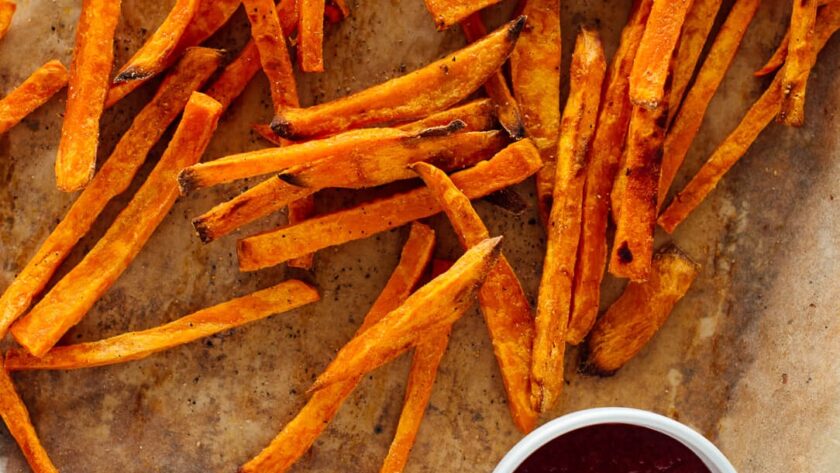
Crispy baked sweet potato fries have become one of the most searched healthy side dishes because they offer the perfect combination of delicious flavor, satisfying texture, and wholesome nutrition. Unlike traditional deep-fried fries, oven-baked sweet potato fries require only a small amount of olive oil while still developing beautifully caramelized edges and a tender interior. Their naturally sweet taste pairs wonderfully with savory seasonings, making them an excellent choice for family dinners, quick lunches, healthy snacks, and meal preparation. Whether served alongside grilled chicken, burgers, sandwiches, or fresh salads, these homemade sweet potato fries bring color, flavor, and nutrition to the table. Learning the right baking method makes all the difference between soft fries and irresistibly crispy ones, and this recipe focuses on techniques that help achieve the perfect texture every time while keeping preparation simple enough for cooks of all experience levels.
What Makes Sweet Potatoes a Nutritious Choice
Sweet potatoes are widely recognized as one of the healthiest root vegetables available, offering an impressive balance of vitamins, minerals, dietary fiber, and natural carbohydrates. They are especially valued for their rich supply of vitamin A in the form of beta-carotene, which supports healthy vision, immune function, and skin health. They also provide vitamin C, potassium, manganese, and antioxidants that contribute to overall wellness. Unlike heavily processed snack foods, homemade baked sweet potato fries allow you to enjoy these nutrients without excessive saturated fat or unnecessary additives. Because sweet potatoes contain fiber, they help create a satisfying meal that keeps you feeling fuller for longer. Their natural sweetness also means there is no need for added sugar, making them a wholesome alternative to many processed side dishes. Combined with heart-healthy extra-virgin olive oil and simple seasonings, these fries become an excellent addition to a balanced eating plan suitable for everyday meals.
The Secret to Achieving Crispy Oven-Baked Sweet Potato Fries
Many home cooks believe crispy sweet potato fries can only be achieved through deep frying, but the truth is that proper preparation techniques can produce outstanding results directly in the oven. One of the biggest secrets is coating the sliced sweet potatoes with a light dusting of cornstarch before adding the olive oil. The cornstarch absorbs excess surface moisture and encourages the exterior to become crisp during baking while allowing the inside to remain soft and fluffy. Another important factor is arranging the fries in a single layer so that hot air circulates evenly around each piece instead of steaming them. High oven temperatures encourage caramelization, creating flavorful browned edges while maintaining the sweet interior. Turning the fries halfway through cooking helps every side brown evenly, ensuring a more consistent texture throughout the batch. These simple but effective techniques transform ordinary baked fries into restaurant-style sweet potato fries without the need for deep frying.
Choosing the Best Sweet Potatoes for Homemade Fries
Selecting quality sweet potatoes is one of the first steps toward achieving consistently delicious results. Medium to large sweet potatoes with firm flesh and smooth skin generally bake more evenly and are easier to slice into uniform fry shapes. Avoid potatoes with bruises, soft spots, wrinkles, or signs of sprouting, as these may have lost moisture and freshness. Uniformly shaped sweet potatoes are especially helpful because they allow you to create fries of similar thickness, which promotes even cooking throughout the baking process. Fresh sweet potatoes also have a naturally vibrant orange interior that becomes sweeter as it roasts, creating the signature flavor many people love. Although different varieties of sweet potatoes exist, the classic orange-fleshed type remains the most popular choice for homemade baked fries due to its creamy texture, naturally sweet taste, and beautiful color after roasting. Buying fresh produce and storing it in a cool, dry place before cooking helps preserve both flavor and quality.
Why Evenly Cut Fries Produce Better Baking Results
Uniform slicing may seem like a small detail, but it plays an important role in producing perfectly baked sweet potato fries. Fries that vary greatly in thickness cook at different speeds, leaving thinner pieces overly browned while thicker pieces remain soft. Cutting each fry into similar widths helps every piece finish cooking at nearly the same time, resulting in consistent crispness throughout the baking tray. Taking a few extra minutes during preparation pays off by reducing uneven cooking and preventing unnecessary waste. A sharp chef’s knife provides the cleanest cuts, while a sturdy cutting board offers stability and safety. Consistent fry dimensions also improve presentation, making the finished dish look more professional whether served at family meals, holiday gatherings, or casual entertaining. Although perfection is not necessary, aiming for similar-sized pieces greatly increases the likelihood of achieving evenly browned, crispy fries with tender centers.
Understanding the Importance of High-Temperature Baking
One reason this recipe delivers such satisfying results is the use of a hot oven. Baking at 425 degrees Fahrenheit encourages the natural sugars inside the sweet potatoes to caramelize while simultaneously creating a lightly crisp exterior. Lower temperatures often allow moisture to accumulate, resulting in softer fries that lack the desired texture. The high heat also helps evaporate surface moisture more quickly, which is essential for crisping. Using two baking sheets allows the fries to spread out rather than becoming crowded together, giving each fry direct exposure to circulating hot air. Rotating the pans between oven racks during baking ensures more even browning because oven temperatures often vary slightly from top to bottom. This simple adjustment promotes consistent cooking without requiring any specialized kitchen equipment. Careful attention to oven temperature is one of the easiest ways to improve homemade sweet potato fries and achieve dependable results every time you bake them.
Olive Oil and Simple Seasonings Create Outstanding Flavor
One of the greatest advantages of homemade baked sweet potato fries is the ability to control both the ingredients and the seasoning. Extra-virgin olive oil adds a light richness while helping the fries brown beautifully in the oven. Unlike heavy coatings or excessive oil used in deep frying, only a modest amount is needed to achieve satisfying flavor and texture. Fine sea salt enhances the natural sweetness of the potatoes without overpowering them, creating a balanced taste that appeals to nearly everyone. Optional seasonings such as freshly ground black pepper, garlic powder, or a small amount of cayenne pepper can easily customize the recipe according to personal preference. Garlic powder contributes a savory depth, black pepper adds mild warmth, and cayenne introduces gentle heat for those who enjoy a spicier side dish. Because these seasonings are added after baking if desired, the fries remain versatile enough to accompany a wide variety of meals, from grilled meats to vegetarian dishes.
A Versatile Side Dish for Every Meal
Few side dishes are as flexible as crispy baked sweet potato fries. Their naturally sweet flavor pairs exceptionally well with grilled chicken, roasted turkey, lean steak, baked fish, veggie burgers, sandwiches, wraps, and fresh salads. They also make an excellent snack served with yogurt-based dips, garlic aioli, spicy ketchup, or homemade herb sauces. Families appreciate that these fries are both kid-friendly and adult-approved, making them a reliable addition to weekly meal plans. They are equally suitable for casual lunches, holiday dinners, backyard barbecues, and game-day gatherings. Because they require only a handful of pantry staples, they can easily be prepared without extensive shopping or complicated cooking techniques. Their colorful appearance adds visual appeal to any plate while their crisp texture satisfies cravings for comfort food in a healthier way. This combination of convenience, nutrition, and outstanding flavor explains why oven-baked sweet potato fries continue to rank among the most popular homemade side dish recipes searched online.
Easy Preparation Makes This Recipe Perfect for Busy Days
One of the biggest reasons homemade crispy baked sweet potato fries remain a favorite is their simplicity. The ingredient list is short, the preparation is straightforward, and the cooking process requires very little hands-on attention once the fries are in the oven. This makes the recipe an excellent option for busy weekdays when you want something wholesome without spending hours in the kitchen. By following a few simple techniques, even beginner cooks can produce fries with a golden exterior and a tender center. Preparing the sweet potatoes ahead of time can make dinner even easier, especially for families who enjoy meal planning. Because the ingredients are commonly available throughout the year, this recipe is convenient regardless of the season. Whether you’re preparing lunch, dinner, or a snack, these oven-baked fries fit effortlessly into almost any menu while delivering fresh flavor and satisfying texture.
Why Cornstarch Helps Create Crispier Fries
A common challenge when baking sweet potato fries is their naturally higher moisture content compared to regular potatoes. This moisture can prevent the outside from becoming crisp if not managed correctly. A light coating of cornstarch helps solve this problem by absorbing excess surface moisture before baking begins. Once coated with olive oil, the cornstarch forms a delicate outer layer that becomes lightly crisp as the fries roast in the hot oven. The result is a pleasant contrast between the crispy exterior and the soft, fluffy interior. It is important to use only the amount called for in the recipe because too much cornstarch can leave a powdery coating instead of creating the desired texture. When evenly distributed and gently rubbed onto the fries, it becomes nearly invisible while significantly improving the final result. This simple technique has become one of the most reliable ways to make crispy baked sweet potato fries without deep frying.
Proper Pan Arrangement Improves Texture
The way the fries are placed on the baking sheet has a major influence on the final outcome. Each fry should have enough space around it so hot air can circulate freely during baking. When fries overlap or are crowded together, they trap steam instead of roasting, causing them to soften rather than crisp. Using two large baking sheets instead of one gives every piece enough room to cook evenly. Lining the pans with parchment paper also prevents sticking and makes cleanup easier after cooking. During baking, flipping the fries halfway through allows both sides to develop even browning while reducing the risk of burning one side. Rotating the baking sheets between the upper and lower oven racks further encourages consistent cooking since ovens often have slight temperature variations. These simple adjustments require very little effort but make a noticeable difference in achieving evenly browned, crispy homemade sweet potato fries.
Recognizing When the Fries Are Perfectly Cooked
Knowing exactly when to remove the fries from the oven is one of the keys to success. Sweet potato fries continue cooking slightly after they leave the oven, so waiting too long can quickly turn beautifully crisp fries into overly dark or dry ones. As they bake, the bright orange surface gradually changes to a more matte appearance while the edges begin to caramelize. The fries also become slightly puffed, indicating that moisture has evaporated and the exterior has crisped. Lightly browned edges are desirable because they contribute rich roasted flavor without tasting burnt. Since every oven performs differently, checking the fries during the final few minutes of baking is recommended. Some trays may finish slightly earlier than others depending on their oven position. Paying close attention near the end of cooking helps achieve fries with crisp edges, tender centers, and a naturally sweet roasted flavor that makes this recipe so enjoyable.
Delicious Seasoning Ideas Without Changing the Recipe
Although sea salt alone creates a delicious side dish, adding optional seasonings after baking allows you to customize the flavor while preserving the original recipe. Freshly ground black pepper introduces gentle warmth that balances the natural sweetness of the potatoes. Garlic powder provides a savory depth that complements grilled meats, sandwiches, and roasted vegetables. For those who enjoy a little heat, a light sprinkle of cayenne pepper creates a pleasant spicy finish without overpowering the fries. You can also serve the fries alongside favorite dipping sauces such as garlic yogurt dip, honey mustard, spicy ketchup, or a simple herb mayonnaise. Because the sweet potatoes themselves have a naturally rich flavor, only a small amount of seasoning is needed to enhance rather than mask their taste. This flexibility makes the recipe suitable for a wide range of meals while allowing each serving to be customized according to personal preference.
Storage and Reheating Suggestions
Freshly baked sweet potato fries provide the crispiest texture, but leftovers can still be enjoyed when stored correctly. Allow the fries to cool completely before transferring them to an airtight container and refrigerating them for up to four days. To restore much of their crispness, avoid reheating them in the microwave, which tends to soften the exterior. Instead, place the fries on a baking tray in a preheated oven or toaster oven until heated through and lightly crisp again. This method helps preserve their texture while refreshing their roasted flavor. Leftover fries can also be transformed into creative meals by using them as a topping for loaded nachos, grain bowls, wraps, or hearty salads. Their versatility makes them a practical addition to meal prep routines, reducing food waste while providing another delicious meal option later in the week.
Make-Ahead Tips for Easier Meal Preparation
Planning ahead can save valuable time without affecting the quality of the finished fries. The sweet potatoes may be peeled and sliced up to two days before baking. To keep the cut pieces fresh and prevent browning, place them in a large bowl filled with cold water and refrigerate until needed. Before baking, drain the water completely and dry the fries thoroughly using clean lint-free kitchen towels. Removing excess moisture is especially important because damp fries are less likely to become crispy in the oven. This preparation method allows much of the work to be completed in advance, making the recipe ideal for entertaining, holiday meals, or busy evenings when quick cooking is appreciated. Even with advance preparation, the finished fries maintain their excellent flavor and texture when baked according to the recipe instructions.
Recipe Card
Crispy Baked Sweet Potato Fries
Description
These crispy baked sweet potato fries are a healthy, flavorful alternative to traditional fries. Lightly coated with cornstarch, olive oil, and sea salt, they bake to perfection with crispy edges and tender centers. Perfect as a side dish, snack, or appetizer.
Preparation Time: 15 minutes
Cooking Time: 30–38 minutes
Total Time: 45–53 minutes
Servings: 4
Ingredients
- 2 pounds sweet potatoes (approximately 2 medium-large or 3 medium)
- 1 tablespoon cornstarch
- ½ teaspoon fine sea salt
- 2 tablespoons extra-virgin olive oil
- Optional for serving:
- Freshly ground black pepper
- Cayenne pepper
- Garlic powder
Step-by-Step Instructions
- Preheat the oven to 425°F (220°C). Position one oven rack in the lower third and the other in the upper third, leaving about 6 inches between the upper rack and the heating element. Line two large rimmed baking sheets with parchment paper.
- Peel the sweet potatoes and slice them into evenly sized fry-shaped strips, approximately ¼ inch thick and ¼ inch wide. Divide the fries evenly between the prepared baking sheets.
- Sprinkle half of the cornstarch and half of the sea salt over each pan. Toss until every fry has a light coating.
- Drizzle one tablespoon of olive oil over each baking sheet. Toss again until the fries are evenly coated and no dry patches of cornstarch remain.
- Arrange the fries in a single layer, leaving space between each piece to encourage crisping.
- Bake for 20 minutes.
- Remove the baking sheets and carefully flip the fries using a spatula.
- Rearrange the fries into a single layer once again and swap the positions of the baking sheets between the upper and lower oven racks.
- Continue baking for 10–18 minutes, or until the fries develop crisp edges and a lightly caramelized surface.
- Remove from the oven and, if desired, season with freshly ground black pepper, cayenne pepper, or garlic powder while still warm.
- Serve immediately for the best flavor and texture.
Notes
- Serve immediately for maximum crispiness.
- Store leftovers in an airtight container in the refrigerator for up to 4 days.
- Reheat in a conventional oven or toaster oven to restore crispness.
- The sliced sweet potatoes can be prepared up to 2 days in advance. Keep them submerged in cold water in the refrigerator, then drain and dry thoroughly before baking.
- To prepare a smaller batch, simply halve all ingredients and bake on a single baking sheet, flipping after approximately 15 minutes.
| Nutritional Information (Per Serving) | Amount |
|---|---|
| Calories | Approximately 183 kcal |
| Carbohydrates | 28 g |
| Protein | 2 g |
| Total Fat | 7 g |
| Saturated Fat | 1 g |
| Fiber | 4 g |
| Sugar | 6 g |
| Sodium | 295 mg |
| Potassium | Approximately 500 mg |
| Vitamin A | High |
| Vitamin C | Moderate |
| Calcium | Approximately 4% Daily Value (DV) |
| Iron | Approximately 4% Daily Value (DV) |