 admin1
 The Complete Story of Soft Sourdough Sandwich Bread
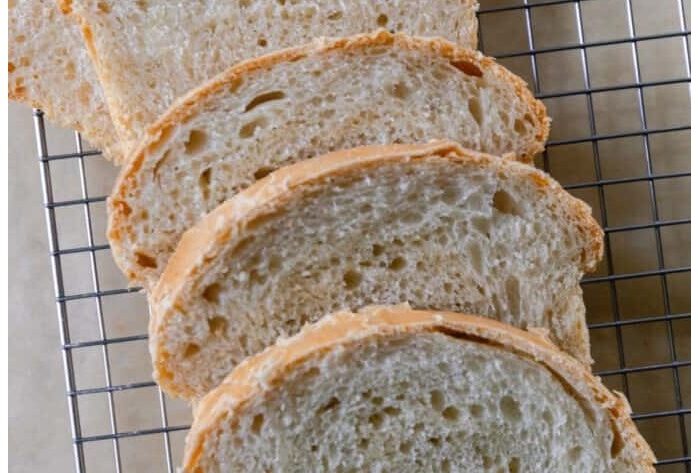
Sourdough sandwich bread is one of the most beloved homemade bread styles for anyone who enjoys soft texture, rich flavor, and a naturally fermented dough without commercial yeast. This type of bread combines the rustic charm of traditional sourdough baking with the convenience and softness typically found in store-bought sandwich loaves. What makes this recipe especially appealing is its balance between simplicity and depth of flavor—using just a handful of pantry staples such as all-purpose flour, active sourdough starter, butter, honey, salt, and water, yet producing a loaf that is tender, slightly tangy, and perfect for everyday meals. The slow fermentation process is what gives this bread its signature taste and texture, allowing the dough to develop structure and complexity over time while remaining soft enough for sandwiches, toast, and even French toast.
The foundation of this bread lies in the sourdough starter, which acts as a natural leavening agent. A starter is a living culture of wild yeast and beneficial bacteria that ferments the dough over time. When it is active and bubbly, it is at its peak strength, capable of raising dough without commercial yeast. This not only improves the flavor but also enhances digestibility and texture. In this recipe, one full cup of active sourdough starter is used, which ensures the dough ferments properly and develops a light, airy structure. The hydration level of the dough is also important because it determines softness. With 2 1/2 cups of water combined with 8 cups of all-purpose flour, the dough becomes pliable, elastic, and easy to shape once properly kneaded.
Fat plays a major role in the softness of this sandwich bread, and butter is the preferred ingredient here. Butter enriches the dough, making it tender and giving it a subtle creamy flavor that complements the slight tang of sourdough. Some bakers may substitute coconut oil for a dairy-free option, which still provides moisture and softness but with a slightly different flavor profile. The butter must be softened so it can integrate smoothly into the dough during mixing. When properly incorporated, it helps create a fine, soft crumb that is ideal for slicing and holding fillings like butter, jam, cheese, or deli meats.
Sweetness in this bread is mild and balanced, coming from either honey or sugar. Honey adds a deeper, floral sweetness and also helps retain moisture in the finished loaf, keeping it soft for several days. Sugar can also be used if preferred, and both options support fermentation while enhancing flavor. The small amount used does not make the bread sweet like dessert bread; instead, it rounds out the flavor and balances the sour notes from the fermentation process. Salt is equally important because it strengthens gluten structure and enhances the overall flavor profile. Without salt, bread can taste flat and overly sour, but with it, every bite becomes more balanced and satisfying.
The mixing process is straightforward but essential for achieving the correct texture. All ingredients are combined in a stand mixer, with flour typically added last so adjustments can be made based on dough consistency. This flexibility is important because sourdough starters vary in hydration, which can affect how much flour or water the dough needs. Once mixed, the dough is kneaded for approximately ten minutes until it becomes smooth, elastic, and slightly tacky but not sticky. The goal is to reach a stage where the dough pulls away from the sides of the bowl and passes the windowpane test, meaning it can stretch thin without tearing. This indicates strong gluten development, which is essential for structure and softness.
After kneading, the dough undergoes a long bulk fermentation period, typically 10 to 12 hours in a warm environment. This slow rise is where the magic of sourdough truly happens. During this time, the wild yeast feeds on the flour’s natural sugars, producing gases that cause the dough to expand while also developing complex flavors. The environment matters greatly here; a slightly warm spot such as near a stove or on top of a refrigerator helps maintain consistent fermentation. Over-fermentation should be avoided because it can weaken the dough structure and result in a dense or overly sticky texture that is difficult to shape.
Once the bulk fermentation is complete, the dough is divided into two equal portions. This recipe is designed to yield two sandwich loaves, making it ideal for meal prep or family use. Each portion is then shaped by gently rolling it into a rectangle and tightly rolling it into a log shape. This shaping technique helps create an even crumb structure and ensures the loaf rises properly in the pan. The shaped dough is placed into loaf pans that have been either buttered or lined with parchment paper to prevent sticking.
The second rise, also known as proofing, lasts approximately 2 to 4 hours at room temperature. During this stage, the dough continues to expand and becomes airy and light. Proper proofing is crucial because under-proofed dough may result in a dense loaf, while over-proofed dough can collapse during baking. The ideal indicator is when the dough has visibly doubled in size and feels soft and puffy to the touch.
Baking takes place at 375°F for about 45 minutes, or until the top turns a rich golden brown. Some bakers choose to apply an egg wash before baking to enhance browning and create a glossy crust. As the bread bakes, the aroma of butter, honey, and fermented dough fills the kitchen, signaling that a soft and flavorful loaf is forming. Once baked, the bread must be removed from the pans and cooled completely on a wire rack. Cooling is a critical step because slicing too early can cause the interior to become gummy due to trapped steam.
This sourdough sandwich bread is incredibly versatile. It can be used for breakfast toast, lunch sandwiches, grilled cheese, or even as a base for bread pudding. Its soft crumb, slight tanginess, and rich buttery flavor make it suitable for both sweet and savory pairings. Proper storage in an airtight container or bread bag helps maintain freshness for several days, and it can also be frozen for longer storage.
In conclusion, this sourdough sandwich bread recipe combines traditional fermentation techniques with a soft, modern sandwich-style texture. It is a perfect balance of flavor, nutrition, and practicality, making it an excellent choice for both beginner and experienced bakers who want to enjoy homemade bread with authentic sourdough character.
Easy Step-by-Step Sourdough Sandwich Bread Recipe
🥣 Ingredients
- 1/2 cup butter (113 grams), softened or coconut oil
- 2 tablespoons honey or sugar (42 grams honey, or 24 grams sugar)
- 1 tablespoon salt (15 grams)
- 1 cup starter (200 grams), active and bubbly
- 2 1/2 cups water (590 grams)
- 8 cups all-purpose flour (1120 grams)
👩🍳 Simple Instructions
- Add all ingredients to a stand mixer, adding flour last for better dough control.
- Knead for about 10 minutes until smooth, stretchy, and elastic.
- Cover and let dough bulk ferment for 10–12 hours in a warm place.
- Divide dough into 2 equal portions.
- Shape each portion into a rectangle, then roll into a loaf shape.
- Place in buttered or parchment-lined loaf pans.
- Let rise again for 2–4 hours until doubled in size.
- Bake at 375°F (190°C) for 45 minutes until golden brown.
- Cool completely before slicing for best texture.
🔥 Tips for Best Results
- Use fully active sourdough starter for best rise
- Do not over-ferment the dough
- Soft butter blends more easily into dough
- Always cool bread before cutting
Nutrition Calories:
200kcal | Carbohydrates: 35g | Protein: 5g | Fat: 4g | Saturated Fat: 2g | Polyunsaturated Fat: 0.3g | Monounsaturated Fat: 1g | Trans Fat: 0.2g | Cholesterol: 10mg | Sodium: 323mg | Potassium: 47mg | Fiber: 1g | Sugar: 2g | Vitamin A: 118IU | Vitamin C: 0.01mg | Calcium: 8mg | Iron: 2mg
Nutrition information is automatically calculated, so should only be used as an approximation.